


Pipe smoking is more than just a hobby—it’s a ritual, a moment of reflection, and a connection to a tradition that spans centuries. From the intricate designs of handcrafted pipes to the rich, aromatic blends of tobacco, pipe smoking offers a unique experience that combines mindfulness, craftsmanship, and sensory pleasure. Whether you’re new to the world of pipe smoking or looking to deepen your appreciation, this guide will walk you through the essentials, from choosing your first pipe to mastering the art of a perfect smoke.
Why Pipe Smoking?
In a fast-paced world, pipe smoking invites you to slow down. Unlike cigarettes or vaping, which are often consumed quickly, pipe smoking is a deliberate act. It requires patience, care, and attention to detail, making it a meditative practice for many. The process of selecting a pipe, packing the bowl, and savoring the flavors of tobacco can be deeply satisfying. Plus, the variety of pipes and tobacco blends allows for endless exploration, ensuring that no two smoking sessions are ever quite the same.
Pipe smoking also carries a rich cultural history. From Native American ceremonial pipes to the iconic images of writers, philosophers, and adventurers puffing thoughtfully, pipes have long symbolized contemplation and sophistication. Today, pipe smoking is enjoying a resurgence among those seeking a more intentional way to unwind.
Choosing Your First Pipe
Your pipe is your companion in this journey, so choosing the right one is crucial. Pipes come in various shapes, materials, and price points, each offering a unique smoking experience. Here are the key factors to consider:
- Material: Most pipes are made from briar, a dense, heat-resistant wood from the root of the Mediterranean heath tree. Briar pipes are durable and provide excellent flavor. Other materials, like meerschaum (a porous mineral) or corn cob, are also popular, especially for beginners due to their affordability.
- Shape: Pipe shapes, such as the classic Billiard, bent Dublin, or freeform designs, affect both aesthetics and smoking experience. For beginners, a straight pipe like a Billiard is often recommended for its simplicity and ease of cleaning.
- Budget: You don’t need to spend a fortune to start. A quality corn cob pipe can cost as little as $10-$20, while mid-range briar pipes typically range from $50-$100. High-end artisanal pipes can run into the hundreds, but they’re best saved for when you’re ready to invest.
When starting out, visit a reputable tobacconist or browse trusted online retailers. Brands like Peterson, Savinelli, or Missouri Meerschaum (for corn cob pipes) are excellent choices for beginners.
Selecting the Right Tobacco
The heart of pipe smoking lies in the tobacco. With countless blends available, choosing the right one can feel overwhelming. Tobacco blends are typically categorized into a few main types:
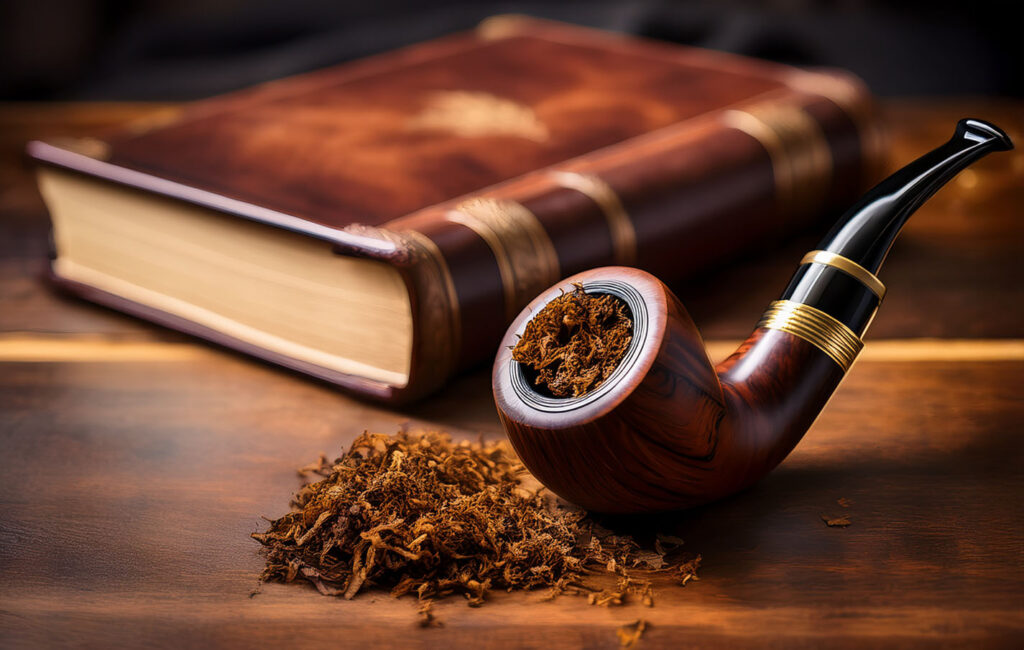
- Aromatic: These blends are infused with flavors like vanilla, cherry, or whiskey, offering a sweet, approachable taste and pleasant aroma. They’re ideal for beginners.
- English: Known for their robust, smoky flavors, English blends often feature Latakia, a cured tobacco with a distinctive campfire-like taste. These are better suited for experienced smokers.
- Virginia: Made primarily from Virginia tobaccos, these blends range from sweet and grassy to rich and earthy, making them versatile for all skill levels.
- Burley: Nutty and mild, Burley blends are another great option for newcomers.
Start with a small sample of an aromatic or Virginia blend to find what suits your palate. Avoid buying in bulk until you’ve experimented with different types. Many tobacconists offer sampler packs, which are perfect for discovering your preferences.
Packing and Lighting Your Pipe
Packing a pipe is an art form that affects the quality of your smoke. A poorly packed pipe can burn too hot or go out frequently, while a well-packed bowl ensures a smooth, even burn. Here’s a simple method known as the “three-layer” technique:
- First Layer: Sprinkle tobacco into the bowl until it’s full, then gently press it down with a tamper until it’s about one-third compacted.
- Second Layer: Add more tobacco and press it down to about two-thirds full, ensuring a slightly firmer pack.
- Third Layer: Top off the bowl and press lightly, leaving a small airspace at the top for easy lighting.
To light your pipe, use wooden matches or a butane lighter (avoid torch lighters, as they can damage the pipe). Begin with a “charring light,” where you pass the flame over the tobacco to toast it lightly, then tamp it down gently. Follow with a “true light” to ignite the tobacco evenly. Puff gently to keep the ember going without overheating the bowl.
Smoking Techniques and Etiquette
Pipe smoking is about savoring, not rushing. Here are some tips to enhance your experience:
- Puff Slowly: Take slow, steady puffs to maintain a cool, flavorful smoke. Rapid puffing can cause the pipe to burn too hot, leading to a harsh taste or “tongue bite.”
- Tamp Regularly: Use a tamper to gently press down the ash as you smoke. This keeps the tobacco burning evenly.
- Relight as Needed: It’s normal for a pipe to go out occasionally, especially for beginners. Simply relight without worry.
- Clean Your Pipe: After each smoke, run a pipe cleaner through the stem and bowl to remove moisture and residue. Regular cleaning prevents stale flavors and extends your pipe’s life.
When smoking in public, be mindful of others. The aroma of pipe tobacco is often pleasant, but not everyone appreciates it. Choose well-ventilated areas and respect non-smokers’ space.
Building a Pipe Smoking Routine
Pipe smoking is a personal ritual, and developing a routine can make it even more rewarding. Set aside time to smoke when you can relax—perhaps with a cup of coffee, a good book, or during an evening stroll. Many pipe smokers find that the act of preparing and smoking a pipe helps them unwind and reflect.
As you gain experience, consider experimenting with different pipes and blends. Joining a pipe smoking community, either online or at a local tobacconist, can also enrich your journey. Forums, social media groups, and pipe clubs offer a wealth of knowledge and camaraderie.
Common Mistakes to Avoid
- Overpacking: Packing the bowl too tightly can make it hard to draw air and cause the pipe to burn hot.
- Smoking Too Fast: Rapid puffing leads to a hot, unpleasant smoke. Take your time.
- Neglecting Maintenance: A dirty pipe can ruin the flavor of even the finest tobacco. Clean your pipe after every use.
- Buying Cheap Tobacco: Low-quality tobacco can be harsh and unenjoyable. Invest in reputable brands for a better experience.
The Joy of Pipe Smoking
Pipe smoking is a journey of discovery. Each pipe, each blend, and each smoke offers something new. It’s a hobby that rewards patience, curiosity, and an appreciation for the finer things in life. Whether you’re drawn to the history, the craftsmanship, or the meditative calm, pipe smoking has something to offer everyone.
Ready to start? Visit your local tobacconist or explore online retailers to find your first pipe and tobacco. Take your time, experiment, and enjoy the process. With practice, you’ll find your rhythm and unlock the full pleasure of this timeless tradition.